
 By
By 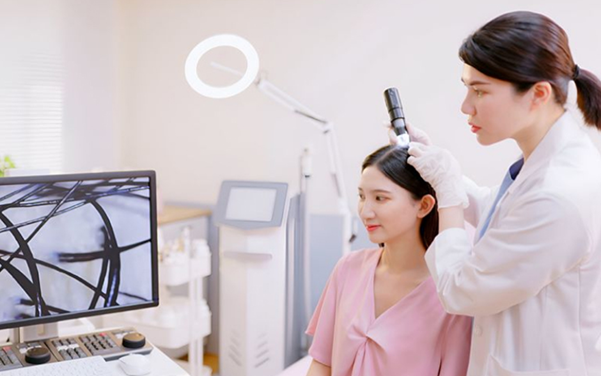
Women experiencing hair thinning or visible scalp patches often seek quick ways to restore coverage. However, dermatologists emphasise that proper assessment and realistic expectations are essential before committing to any bald scalp treatment. Hair loss in women is multi-factorial, and the approach must be based on evidence, not assumptions. Many patients in the city-state delay seeking help, which affects results and prolongs unnecessary stress.
Hair Loss in Women Requires a Clear Diagnosis First
Dermatologists consistently highlight that female hair loss cannot be approached with guesswork. Conditions such as androgenetic alopecia, telogen effluvium, traction alopecia, and autoimmune-related thinning behave differently and respond to different interventions. A woman may assume she needs bald scalp treatment when the underlying cause may be temporary shedding triggered by stress, nutritional gaps, or medication changes. Treatment, without identifying the root issue, may be ineffective or even worsen the condition. This instance is why professional consultation remains the first step before choosing any female hair loss treatment. Dermatologists rely on scalp examinations, medical history, pull tests, and sometimes blood work to confirm the right treatment pathway.
Bald Scalp Treatment Takes Time—Not Days or Weeks
Women often expect visible improvements quickly, but dermatologists caution that hair growth is slow and treatment timelines must be realistic. Even with consistent intervention, new growth may not be noticeable for at least three to six months. The hair cycle itself is lengthy, and follicles require time to respond once inflammation, hormonal triggers, or scalp imbalances are addressed. A common misunderstanding is that a lack of immediate change means a treatment is ineffective, leading patients to switch products too early. Dermatologists advise that whether a patient starts topical formulations, oral medication, or clinic-based therapies, long-term consistency is critical to seeing meaningful improvement.
Not All Products Are Suitable for Women
The market is crowded with solutions labelled for hair regrowth or scalp repair, but dermatologists warn that many of them are formulated without considering hormone-related patterns of female thinning. Some ingredients may aggravate underlying scalp sensitivity, while others may not address the patient’s specific form of hair loss. Women in the city-state often purchase treatments marketed for male hair thinning, assuming they work the same way. Dermatologists emphasise that female hair loss treatment in Singapore requires tailored and medically appropriate options, not generalised products developed for different biological profiles. Using the wrong formulation may delay improvement or cause scalp irritation.
Lifestyle and Scalp Habits Influence Treatment Results
Dermatologists frequently remind patients that medical treatment alone is not enough without addressing routine hair practices. Harsh styling, tight hairstyles, aggressive brushing, and excessive heat or chemical exposure can counteract the benefits of a bald scalp treatment. Scalp hygiene is also an important factor, as build-up from sweat, sebum, or styling products can obstruct treatment absorption. Women undergoing clinical therapies or prescription-based solutions need to maintain a stable routine that avoids unnecessary stress to the follicles. Simple adjustments such as loosening hairstyles, spacing out chemical treatments, or moderating heat tools can support better treatment outcomes.
Expect Maintenance—Not a One-Time Solution
Dermatologists also clarify that most female hair loss conditions require ongoing management. Treatments may reduce shedding and encourage regrowth, but the underlying causes often persist. Hormonal changes, genetics, ageing, and chronic scalp inflammation tend to recur without consistent maintenance. Many women assume that once they achieve a fuller appearance, they can stop all treatment. Dermatologists caution against this assumption, explaining that stopping abruptly often reverses progress. Maintenance does not always require intensive clinic sessions; it may involve periodic topical applications, lifestyle adjustments, or scheduled reviews to monitor scalp health.
Conclusion
Women planning to begin any bald scalp treatment should understand that proper diagnosis, patience, suitable product selection, and disciplined scalp care all influence results. Dermatologists stress that hair loss management is a long-term process, and each woman’s treatment plan must be tailored to her specific condition and scalp characteristics. Early medical guidance and realistic expectations remain essential for effective and sustainable improvement for anyone considering female hair loss treatment.
Visit Bee Choo Origin to determine the most suitable approach for your hair loss concerns.









Comments