
 By
By 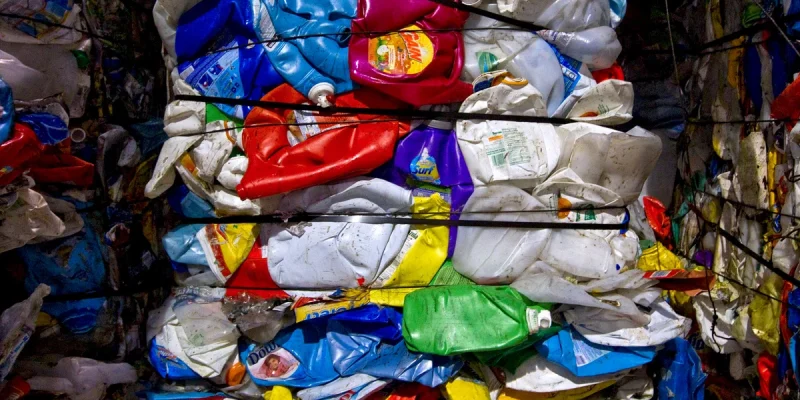
The advice often has to do with labels and numbers. That’s useful − but incomplete. One more effective way to understand what plastics are recyclable would be to follow the path of your recycling bin post-collection. The rules interpret quickly when you can see the journey.
Step 1: What Happens When Plastic Arrives at a Facility
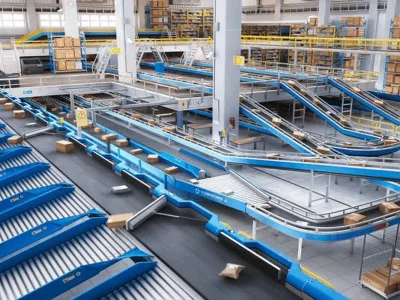
Once at a recycling facility, plastics are sorted rapidly by machines followed by manual checking. Speed matters. Objects that hold up the line, lead to equipment entanglements, or spoil clean plastics are dumped − by the ton in some cases.
This makes all the difference in understanding actually which plastics can be recycled. Facilities don’t recycle “plastic.” Recycling formats that glide through the system.
Step 2: Plastic That Flows Through
Some plastics are predictable. They are the backbone of recycling systems.
PET (#1): Built for the System
Common examples:
- Water bottles
- Soft drink bottles
PET is clean to sort, melts evenly, and attracts a high resale value. It is one of the safest recycle plastics.
HDPE (#2): Strong and Reliable
Common examples:
- Milk jugs
- Detergent containers
Being stable during processing is quite desirable since HDPE does remain stable during processing.
PP (#5): Gaining Acceptance by More Plants Annually
Common examples:
- Yogurt cups
- Food containers
A little less universal but much more recyclable thanks to new sorting technology.
This is where to start for the short answer on types of plastics that are recyclable.
Step 3: You Can Find Plastics Which Slow Down or Damage This Process
There are some plastics that are technically recyclable, but they are more trouble than they are worth in the system.
LDPE (#4)
Used for:
- Plastic bags
- Soft packaging
These wrap around sorting equipment. Many facilities remove them immediately.
PVC (#3)
Used for:
- Pipes
- Blister packs
PVC emits toxic chemicals during processing and poisons other plastics.
Step 4: Plastics That are Removed from the Line
Before the processing has even started, these items often get rejected.
Polystyrene (#6)
Common use:
- Foam food containers
- Cups
This is heavy, breakable, and expensive to ship.
Other (#7)
This group includes:
- Mixed-material packaging
- Bioplastics
- Layered films
You reject most as they cannot be separated neatly.
Knowing what plastics are recyclable is really knowing which plastics do not make it through the line.
Step 5: Why Cleanliness is More Important than Results
Even clean recyclable plastics are rejected if there is any contamination in them. Otherwise good material is spoiled by food residue, oil, and liquid contamination.
Dirty plastics sent to a bin − and straight to landfill.
Better habits:
- Rinse containers
- Keep materials loose
- Avoid stacking different plastics together
Step 6: What Recycling is Really About
Recycling is not about purging you trash guilt. It comes down to big opportunity not patronage − output that manufacturers will actually purchase. A plastic will never be recycled if it has no market − your repeated binning does not change this.
That is why finding out which plastics are recyclable helps the system rather than overwhelms it.
Final Insight
Recycling is predicated on people behaving in accordance with the way facilities do things. Not every plastic should be in the bin.
When you know, you stop guessing, and recycling can start to work.
Less contamination. Fewer failures. Better results.





Comments