
 By
By 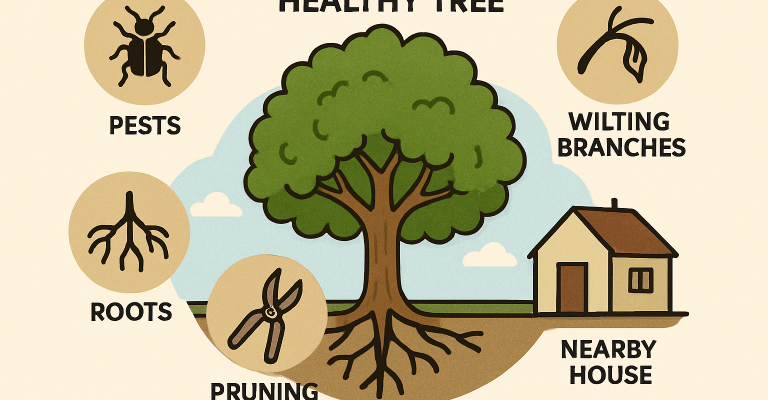
Key Takeaways
- Recognize signs of tree health issues early to prevent property damage.
- Implement proper planting and maintenance practices to promote the longevity of trees.
- Consult professionals when necessary to ensure the safety and health of your trees.
Table of Contents
- Improper Planting
- Pest Infestations
- Diseases
- Environmental Stress
- Structural Defects
- Root Issues
- Overgrowth Near Structures
- Poor Pruning Practices
Maintaining healthy trees not only enhances the visual appeal of your property but can also increase its overall value. Whether you are a seasoned gardener or a new homeowner, identifying common tree issues early helps ensure your landscape flourishes for years to come. Timely attention to these problems can prevent damage to your home or property and safeguard your trees’ long-term health. For expert help with your trees, explore residential tree services in your area.
While many issues can be managed with proactive care, some tree concerns may require specialized knowledge or equipment. That’s why homeowners should familiarize themselves with the most frequent culprits behind declining tree health. From improper planting to structural defects, early intervention is crucial in preventing hazards and costly treatments down the line. Consulting with certified arborists, when necessary, helps keep your trees safe, stable, and beautiful throughout the seasons.
Early diagnosis and consistent care make a significant difference in maintaining tree vitality. Moreover, it’s crucial to educate yourself about local pests, diseases, and environmental conditions that could affect the trees in your region. By establishing a maintenance routine and knowing when to hire professionals for complex tasks like tree removal, you ensure the health of your landscape and contribute to a safer home environment for your family.
Read on to learn about the most common problems affecting trees in residential areas—and discover practical solutions to address each challenge.
Improper Planting
Establishing trees in the wrong way or at the wrong location is one of the most common causes of early decline. Planting too deeply can suffocate the roots, while placing trees in unsuitable spots might expose them to excessive wind, sun, or competition for resources. Always ensure that the root flare—the area where the trunk flares out into the roots—is just above ground level. Select species that are suited to your local climate, space constraints, and soil type. Following these fundamentals fosters robust root development and healthy growth.
For detailed planting guidelines, refer to expert resources from organizations like the Arbor Day Foundation. Proper site selection and planting technique prevent many future problems, saving time and money in the long run.
Pest Infestations
Insect attacks are a persistent menace to urban and suburban trees. Pests such as emerald ash borers, bark beetles, and aphids can inflict severe or even fatal damage if unchecked. Look for symptoms such as leaf discoloration, abnormal leaf drop, holes in the wood, and sawdust-like residue on or beneath the trees. Regular inspections are crucial—for large or valuable trees, consider consulting a certified arborist to identify and treat infestations early.
Integrated Pest Management
Adopting integrated pest management (IPM) combines cultural, biological, and chemical methods to reduce pest populations while minimizing environmental damage. Techniques include proper watering, removing infected wood, introducing beneficial insects, and using targeted treatments when necessary. For more actionable strategies, consult university extension resources, such as those from the University of Minnesota Extension.
Diseases
Tree diseases are most often the result of fungi, bacteria, or viruses—typical examples include oak wilt, Dutch elm disease, and anthracnose. Disease symptoms may consist of leaf yellowing, black spots, cankers, or wilting branches. Good cultural practices are your first defense:
- Prune trees in dry weather to limit the spread of pathogens.
- Sanitize pruning tools between uses.
- Remove fallen leaves and debris from around trees.
- Water deeply but infrequently to promote resilient, deep-rooted trees.
If a tree is severely affected, a professional evaluation may be necessary to determine whether removal is the safest and most prudent option.
Environmental Stress
Environmental stress encompasses a range of factors, including drought, prolonged heat, flooding, and soil compaction, that weaken trees. Stress can be visible as wilting, leaf scorch, dieback, or stunted growth. Regular mulching helps retain soil moisture and regulate soil temperature, while slow, deep watering benefits roots during dry spells.
Avoid compacting soil around roots with heavy machinery or frequent foot traffic. For more in-depth insights on tree stress and mitigation strategies, visit the Better Homes & Gardens tree care guide.
Structural Defects
Trees with cracks, splits, or branches that are weakly attached can become hazardous, especially during storms. These structural flaws may be inherent, the result of improper pruning, or triggered by prior injuries. Spot the warning signs early: look for V-shaped branch unions, visible wounds, or cavities.
Preventive Pruning and Support
Prune branches to encourage strong structure, ideally when the tree is young. For more mature trees with existing defects, bracing or cabling by certified professionals can sometimes help prevent failure. Annual visual inspections are recommended to catch emerging problems before they become dangerous.
Root Issues
Healthy roots are the foundation of a thriving tree. Girdling roots (which encircle and compress the trunk), root rot, and damage from construction or soil compaction can starve the tree and undermine its stability. Symptoms include poor growth, discolored leaves, and the development of mushrooms at the base.
Always avoid piling soil, mulch, or debris against the base of the trunk. When planting, spread roots gently in a wide hole and avoid compacting the surrounding ground. If you suspect significant root damage, consulting a professional arborist is warranted to evaluate your options.
Overgrowth Near Structures
Trees crowded too close to homes, garages, or fences frequently lead to costly repairs. Expanding roots can disrupt foundations, while branches may cause roof damage or interfere with power lines. Maintain a safe planting distance—at least half the mature canopy width away from buildings—and prune regularly to keep growth in check.
For existing trees that have outgrown their space, strategic trimming or, in some cases, complete removal may be necessary to protect your property.
Poor Pruning Practices
Pruning is both an art and a science. Topping a tree (cutting main branches back to stubs), removing excessive foliage, or making improper cuts can permanently weaken trees, increase disease risk, and compromise their appearance.
Best Practices for Pruning
Prune during the right season (late winter for most trees), use sharp and sanitized tools, and follow the tree’s natural branch pattern. If you’re unsure, hiring an ISA-certified arborist reduces the risk of inadvertently damaging your valuable trees.
By learning to recognize early warning signs and addressing issues promptly, homeowners can nurture healthy trees while minimizing the risk of property damage. Develop a proactive maintenance plan and consult professionals for complex needs—your landscape and its trees will reward your efforts for generations to come.










Comments