
 By
By 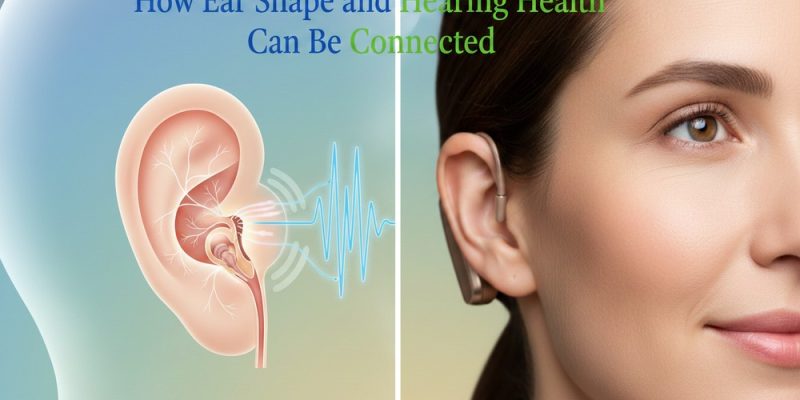
The human ear is a complex structure that does far more than simply detect sound. It plays a critical role in balance, spatial awareness, and communication. While most people think of hearing as purely an internal function, the external structure of the ear can also influence how sound is collected and processed. Subtle variations in ear shape may affect how sound waves enter the ear canal, potentially impacting hearing clarity over time.
Understanding the relationship between ear anatomy and hearing health is important for recognizing when concerns go beyond cosmetic differences. Structural irregularities, whether present from birth or developed later in life, may sometimes overlap with functional hearing challenges. By exploring this connection, individuals can better understand when to seek evaluation and what kinds of care may be appropriate.
The Anatomy of the Ear: More Than Meets the Eye
The ear is divided into three main parts: the outer ear, the middle ear, and the inner ear. Each plays a distinct role in hearing. The outer ear, which includes the visible portion called the auricle or pinna, is responsible for capturing sound waves and directing them into the ear canal. Its curves and folds are not random. They help funnel sound efficiently toward the eardrum.
Inside the ear, the middle and inner sections handle sound transmission and interpretation. The middle ear amplifies vibrations, while the inner ear converts them into electrical signals that the brain can understand. When any part of this system is affected, hearing may be compromised.
Because the outer ear serves as the entry point for sound, its shape can influence how effectively sound waves are collected. Even small structural differences may slightly alter how sound is perceived, especially in complex listening environments.
Common Variations in Ear Shape
Ear shapes vary widely from person to person. Some individuals have ears that protrude more prominently, while others may have asymmetrical or folded structures. These differences are often harmless and purely cosmetic.
However, certain structural variations can be more pronounced. Conditions such as microtia, where the ear is underdeveloped, or stenosis of the ear canal can impact how sound travels into the ear. In these cases, the physical structure may contribute to measurable hearing challenges.
Procedures like otoplasty, offered by providers such as North Texas Facial Plastic Surgery, are commonly associated with cosmetic correction. While primarily aesthetic, these procedures can sometimes intersect with functional concerns, especially when ear shape affects sound direction or ear canal accessibility.
How Ear Shape Can Influence Sound Collection
The outer ear acts like a natural sound collector. Its ridges and contours help determine how sound waves are captured and filtered before reaching the inner ear. This process helps with sound localization, allowing individuals to identify where sounds are coming from.
When the ear’s structure is altered, either naturally or due to injury, this filtering process may change. For example, a narrower ear canal or an irregular pinna shape can slightly reduce the efficiency of sound transmission. While this may not always lead to noticeable hearing loss, it can affect clarity, particularly in noisy environments.
Over time, these subtle differences may contribute to listening fatigue. Individuals might find it harder to distinguish speech in crowded settings or may need to concentrate more to follow conversations. These signs often prompt further evaluation of hearing function.
Structural Concerns and Hearing Loss
Not all hearing loss is caused by structural issues, but in some cases, anatomy plays a role. Conductive hearing loss, for instance, occurs when sound cannot effectively travel through the outer or middle ear. Structural abnormalities can contribute to this type of hearing difficulty.
For individuals experiencing symptoms such as muffled hearing, frequent ear infections, or difficulty understanding speech, a comprehensive evaluation may be necessary. Providers like Advanced Audiology Care offer hearing tests and diagnostic services that help identify whether structural factors are involved.
These assessments typically include physical examination, audiometric testing, and sometimes imaging. The goal is to determine whether the issue lies in sound conduction, nerve function, or a combination of factors. Identifying the root cause is essential for selecting the most effective treatment approach.
The Role of Early Evaluation
Early evaluation plays a key role in managing both structural and hearing-related concerns. In children, ear shape differences may be noticed at birth or during early development. Monitoring these differences helps determine whether they are purely cosmetic or if they may affect hearing.
Primary care providers, such as those at Kimball Health Services, often serve as the first point of contact. They can assess overall ear health, check for infections or blockages, and refer patients to specialists when needed.
Timely evaluation allows for early intervention, which can be especially important for language development in children. Even mild hearing challenges can affect speech and learning if left unaddressed. For adults, early detection can prevent worsening symptoms and improve long-term outcomes.
Cosmetic vs. Functional Considerations
It is important to distinguish between cosmetic and functional concerns. Many people seek changes to ear shape for aesthetic reasons, without any impact on hearing. In these cases, procedures are typically elective and focused on appearance.
However, there are situations where cosmetic concerns overlap with functional issues. For example, a significantly protruding ear might affect how sound is captured, or an irregular ear canal may contribute to wax buildup and hearing difficulties.
Healthcare providers often evaluate both aspects together. This ensures that any treatment plan addresses not only appearance but also hearing health. A balanced approach helps individuals make informed decisions about their care.
Treatment Options for Hearing and Structural Issues
Treatment depends on the underlying cause of the concern. When hearing loss is linked to structural issues, options may include medical management, assistive devices, or surgical intervention.
Hearing aids are one of the most common solutions for improving hearing function. Clinics like Infinity Hearing provide hearing aids and related treatments tailored to individual needs. These devices amplify sound and can be adjusted to match specific hearing profiles.
In cases where structural abnormalities significantly affect hearing, surgical procedures may be considered. These can range from reconstructive techniques to improve ear shape to interventions that address blockages or abnormalities in the ear canal. The choice of treatment depends on factors such as severity, age, and overall health.
When to Seek Professional Advice
Recognizing when to seek professional advice can make a meaningful difference. Signs that may indicate a need for evaluation include persistent hearing difficulty, ear discomfort, frequent infections, or noticeable changes in ear structure.
Individuals who experience difficulty understanding speech, especially in noisy environments, may benefit from a hearing assessment. Similarly, those with visible structural differences or concerns about ear shape should consider consulting a specialist.
A multidisciplinary approach is often helpful. This may involve collaboration between primary care providers, audiologists, and specialists in ear structure. Together, they can provide a comprehensive understanding of the issue and recommend appropriate next steps.
Conclusion
The connection between ear shape and hearing health is more nuanced than it might initially appear. While many variations in ear structure are harmless, some can influence how sound is collected and processed. Understanding this relationship helps individuals recognize when concerns may go beyond appearance.
By paying attention to both structural and functional aspects of the ear, it becomes easier to identify potential issues early and seek appropriate care. Whether through evaluation, monitoring, or treatment, addressing these concerns can support better hearing outcomes and overall well-being.










Comments