
 By
By 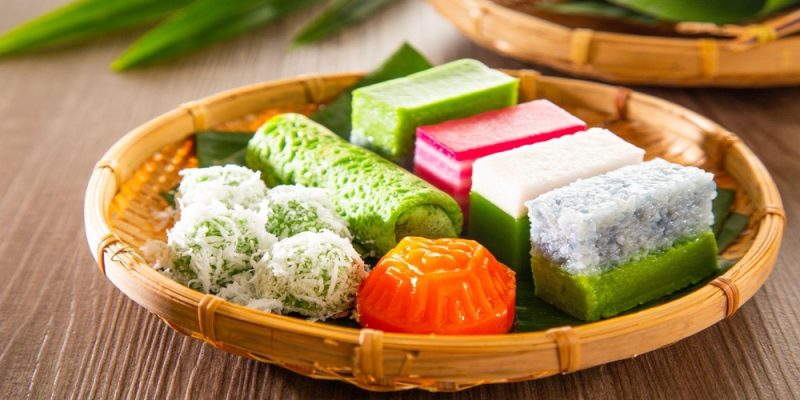
Key Highlights
- Malay cuisine offers a rich tapestry of spices and textures that appeal to a wide variety of palates across diverse guest lists.
- Halal certification ensures that your event is inclusive and welcoming to the entire community without compromising on taste.
- Tea buffets provide a flexible and cost-effective alternative to full-course meals for afternoon corporate or social gatherings.
- The tradition of “gotong-royong” or communal spirit is reflected in the generous and hospitable nature of Malay food service.
Introduction
Event planners are constantly searching for dining options that offer both cultural resonance and exceptional flavour. While international cuisines are plentiful, there is a growing trend towards embracing local heritage through Malay catering services in Singapore. This preference is a strategic choice driven by the need for inclusivity, variety, and a unique sensory experience. By opting for a tea buffet in Singapore, planners can bridge the gap between formal dining and casual networking, offering a sophisticated yet accessible experience for all attendees.
1. The Inherent Inclusivity of Halal Certification
One of the primary reasons planners turn to Malay culinary experts is the inherent peace of mind regarding dietary requirements. In a diverse society, ensuring that every guest can eat freely without concern is a hallmark of a considerate host. Malay catering services in Singapore are almost universally Halal-certified, meaning the ingredients and preparation methods adhere to strict standards. When you choose a certified provider, you eliminate the need for separate meal arrangements for Muslim attendees, creating a unified dining experience where everyone shares the same high-quality food.
2. A Symphony of Bold and Sophisticated Flavours
Malay cuisine is celebrated for its complex use of herbs and spices. These ingredients create a profile that is both bold and nuanced, offering something far more exciting than standard continental fare. The depth of flavour found in traditional dishes often becomes a point of conversation among guests, helping to break the ice and create a more memorable atmosphere during the function.
3. The Versatility of the Afternoon Tea Format
The tea buffet in Singapore has become increasingly popular for mid-afternoon product launches, workshops, and bridal showers. Malay cuisine excels in this format because of its extensive range of bite-sized traditional cakes and snacks. Planners can offer a selection of curry puffs, pulut inti, and ondeh-ondeh, allowing guests to sample a wide array of textures and flavours without the commitment of a full meal.
4. Visual Appeal and Cultural Presentation
The use of natural colours from pandan leaves, blue pea flowers, and coconut milk creates a vibrant display that looks stunning on any buffet table. Many providers also offer traditional décor elements, such as batik linens or woven baskets, which add an authentic touch to the event’s aesthetic. This cultural storytelling through food adds a layer of depth to the occasion that modern, minimalist catering often lacks.
5. Cost-Effectiveness Without Sacrificing Quality
Budget management is a constant challenge for event planners, and Malay catering often provides exceptional value for money. This allows planners to allocate more of their budget to other areas of the event without compromising on the quality or quantity of the food. A well-planned tea buffet can feel incredibly indulgent and abundant while remaining well within the constraints of a corporate or personal budget.
6. A Modern Twist on Traditional Recipes
While tradition is at the heart of the cuisine, many providers of Malay catering services in Singapore are now offering contemporary interpretations of classic dishes. This fusion approach appeals to a younger, more globalised audience while retaining the soul of the original recipes. Planners can work with their caterers to customise a menu that reflects the specific theme or demographic of their event, ensuring a bespoke experience every time.
7. The Spirit of Warmth and Hospitality
There is an old-world charm associated with Malay service culture that prioritises the comfort and satisfaction of the guest. This spirit of generosity, often referred to as “budi,” is reflected in the way the food is served and the portions that are provided. For a planner, choosing a caterer who understands this cultural nuance means that the service will be attentive and the atmosphere will be one of genuine welcome.
Conclusion
The decision to choose Malay catering for an event in Singapore is a testament to a planner’s desire for quality, inclusivity, and cultural authenticity. By leveraging the bold flavours, beautiful presentations, and the inherent hospitality of the cuisine, organisers can create an environment where every guest feels valued. Whether it is through a meticulously arranged tea buffet or a grand celebratory spread, the versatility of this culinary tradition meets the needs of modern events while staying true to its roots.
To bring the authentic flavours and inclusive spirit of our heritage to your next gathering, consult with Elsie’s Kitchen to design your perfect menu today.








Comments