
 By
By 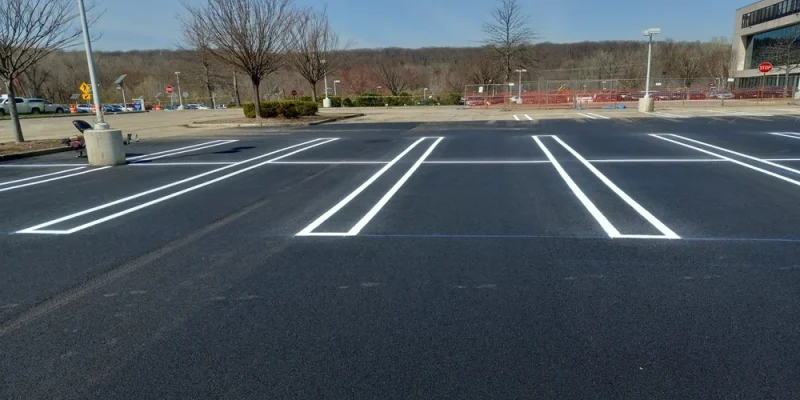
Whether it’s the chaos of a busy retail parking lot or the orderly flow required on a hospital campus, clear and compliant pavement markings are the invisible hand guiding drivers safely and efficiently. A single faded line or poorly placed arrow can quickly unravel that order, leading to confusion, frustrations, and, in some cases, serious safety risks.
Why Clear and Compliant Parking Lot Lines Matter
Sharp, visible lines do more than just mark parking stalls. They manage the traffic dance, keeping vehicles moving the right way, protecting pedestrians, and ensuring accessible spaces remain open for those who need them. When parking lot markings are clear, drivers know exactly where to go and what to do, reducing fender benders and keeping tempers in check.
From an accessibility and legal perspective, compliance is non-negotiable. Failing to meet municipal, provincial, or federal requirements for layout, width, and signage can result in fines or lawsuits. For property managers, it’s not just about liability; it’s about ensuring everyone, including those with disabilities, can safely navigate the space.
The downside of neglect is costly. Poorly maintained lines lead to inefficient parking, blocked fire routes, and even emergency vehicles struggling to find safe passage. Over time, faded or confusing markings can drive away business or expose property owners to avoidable risks.
Seasonal Challenges Affecting Parking Lot Lines
Few regions challenge pavement markings quite like Ontario. Winters bring snowplows, salt, and freeze-thaw cycles, each capable of scraping or eroding even the toughest paints. As snow and ice recede, spring’s thaw often leaves behind sand, moisture, and road grime that obscure lines or prevent new paint from adhering. Come summer, intense heat and relentless UV rays can scorch markings, causing them to fade or crack prematurely. Fallen leaves and autumn debris create their own hazards, hiding lines just when visibility is most needed.
Case Study: Maintaining Parking Lot Lines in a Toronto Shopping Center
Take a busy Toronto shopping center as an example. The process starts with a meticulous audit: mapping out current markings, identifying faded sections, and ensuring layouts align with accessibility and fire route standards. Preparation is everything. Crews sweep away debris, pressure wash surfaces, and carefully dry the asphalt so no old grime remains to interfere with new markings.
Selecting the right material makes all the difference. Thermoplastic markings withstand harsh weather and tire abrasion better than standard paint, but even premium materials need to be chosen for the specific conditions and usage patterns of the lot. Maintenance windows are carefully scheduled, often at night or off-peak hours, to avoid disrupting shoppers while ensuring the best weather conditions for application.
Best Practices for Durable and Compliant Parking Lot Markings
Choosing between thermoplastic and paint comes down to balancing upfront costs with long-term durability. Thermoplastics last longer, especially in high-traffic or harsh winter environments, but high-quality paint can be ideal for lower-traffic areas or quick touch-ups.
No matter the material, surface cleaning is non-negotiable. Even the best paint applied to a dirty or damp lot will fail quickly. Crews monitor temperature and humidity, ensuring markings are applied when conditions allow for proper adhesion and drying.
Strategies for Year-Round Maintenance and Inspection
Routine visual inspections are the frontline defense against fading, chipping, or damage. This includes checking not only stall lines but also directional arrows, accessible spaces, and fire lanes. The moment a marking starts to fade, prompt touch-up prevents confusion and maintains compliance.
Reflective beads are essential for nighttime visibility. Retroreflectivity standards ensure that markings catch headlights, making them visible even on dark or rainy nights. Regular testing and reapplication keep lots safe for everyone.
Working with Professional Pavement Marking Services
Most property owners lack the time or expertise for detailed layout premarking or compliance checks. This is where specialists come in. Companies like Salus Traffic Control pavement markings offer not just application, but also thorough layouts, surface prep, and regulatory documentation. Their crews coordinate with traffic management teams to keep lots functional even during fresh applications, and every job is documented, photos, measurement reports, batch records, to prove compliance and quality.
Future-Proofing Parking Lot Markings
The industry is constantly evolving. Innovations in marking materials and application techniques offer enhanced durability and shorter drying times, minimizing disruption. Forward-thinking property managers plan ahead, adjusting layouts for anticipated growth, electric vehicle charging stations, or evolving accessibility requirements.
Sustainability is an increasingly important consideration. Water-based paints and lower-VOC materials help reduce environmental impact without sacrificing performance, making it possible to keep parking lots safe, compliant, and environmentally responsible.
In the end, clear and compliant parking lot lines are both a legal requirement and a silent ambassador for your property, ensuring safety, accessibility, and peace of mind through all of Ontario’s seasons.








Comments