
 By
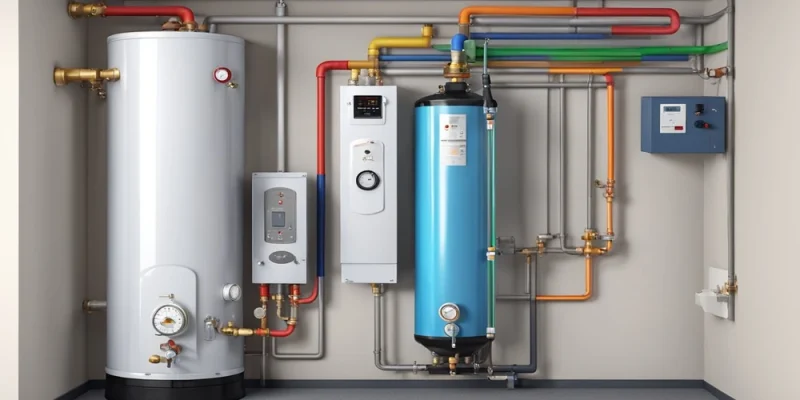
Most homeowners don’t think about their water heater or furnace until something goes wrong at the worst possible time. Cold shower on a January morning. AC dies the week of a heat wave. That’s the pattern. And here’s the uncomfortable truth: by the time one of these systems fails dramatically, it was already showing warning signs for months, maybe years.
Knowing when to replace rather than repair isn’t guesswork. There are real numbers, real patterns, and a clear decision framework that cuts through the noise. Here’s what you actually need to know.
The Numbers Behind System Lifespan
Every system has an expected service life, and that number matters more than most homeowners realize. Age alone doesn’t trigger replacement, but it does shift the math on repairs dramatically.
| System Type | Typical Lifespan | Replacement Trigger Age |
|---|---|---|
| Tank Water Heater | 8 to 12 years | Year 8 onward |
| Tankless Water Heater | 15 to 20+ years | Year 15 onward |
| Central Air Conditioner | 15 to 20 years | Year 15 onward |
| Gas Furnace | 15 to 25 years | Year 18 onward |
| Heat Pump | 12 to 17 years | Year 12 onward |
| Boiler | 15 to 30 years | Year 20 onward |
These ranges aren’t arbitrary. They reflect how long components like compressors, heat exchangers, and anode rods hold up under normal use. Hard water, oversized systems, and skipped annual maintenance all push you toward the low end of these ranges faster than you’d expect.
The first thing to do if you’re unsure of your system’s age: pull the model and serial number off the unit. Most manufacturers encode the manufacturing date inside the serial number, and a quick call to the manufacturer’s customer line will decode it in under two minutes.
Water Heaters: The Signs Are Easier to Spot Than You Think
A failing tank water heater almost always telegraphs trouble before it actually fails. You just have to know what you’re looking for.
Rusty or discolored hot water. When the anode rod inside your tank stops protecting the steel interior, corrosion starts. If the rust is coming from the heater and not from old iron pipes, replacement is the call. Flushing won’t fix corroded steel.
Popping or rumbling sounds. Sediment builds up on the bottom of a tank over years of use. When water heats beneath that sediment layer, you get those knocking sounds. Light sediment flushes out. Heavy accumulation means the element is working harder, efficiency drops, and the tank lining accelerates toward failure.
Pooling water around the base. Small drips from fittings sometimes get fixed with a wrench. But water pooling at the base of the tank usually means micro-fractures in the steel from repeated expansion and contraction cycles. A tank that’s leaking from the body is done.
Inconsistent hot water. If a 20-minute shower used to be routine and now you’re rationing to 10, the heating element or burner assembly is degrading. At year 8 or beyond on a tank unit, that repair cost almost never pencils out.
It’s worth keeping the energy cost angle in mind here. According to ENERGY STAR, water heating accounts for up to 20 percent of a household’s total energy use, making it the second-highest energy cost driver in your home after heating and cooling. A degrading unit doesn’t just cost you in repairs. It costs you every single month in wasted energy before it ever fails.
HVAC Systems: When Repairs Start Outrunning Value
HVAC replacement decisions are trickier because the systems are more expensive and the failure modes are slower. A furnace that’s limping along at 80 percent efficiency feels fine to live with. Until you see the gas bill in February.
The clearest single signal: if your system is more than 15 years old and requires a repair costing more than half the price of a new unit, replace it. That’s the line most HVAC professionals actually use, and it’s the right call. Older systems also tend to use refrigerants or components that are getting harder and more expensive to source, which adds a compounding cost problem on top of the base repair.
- Rooms that used to heat or cool evenly now have noticeable hot or cold spots
- The system cycles on and off more frequently than it used to (short cycling)
- Utility bills are climbing without any change in your usage habits
- You’re on a first-name basis with your HVAC tech because you’ve called more than twice in a year
The U.S. Energy Information Administration reports that space heating and air conditioning together account for 52 percent of the average American household’s annual energy consumption, based on 2020 Residential Energy Consumption Survey data. That share means a system running at diminished efficiency isn’t a minor inconvenience. It’s your biggest household expense quietly getting worse.
“The decision to replace versus repair depends heavily on the age of the system and the nature of the failure. A compressor failure on a 14-year-old heat pump is almost always a replacement decision, not a repair decision, because the remaining service life doesn’t justify the investment.” This view is consistent with how professional HVAC contractors frame the repair-or-replace threshold when advising homeowners on aging equipment.
The “Replace or Ride It Out” Framework
This is the part most articles skip. Here’s a simple framework you can apply to any system, any age, any quote from a technician.
Step 1: Find the age. Decode the serial number. If the system is under the replacement trigger age in the table above, a repair is usually justified if the cost is under 25 percent of a new unit’s price.
Step 2: Calculate the repair-to-replace ratio. Divide the repair quote by the cost of a full replacement. If that number is above 0.5, you’re burning money on a system that’s already past its reliable years. Under 0.25 on a younger system? Fix it and schedule a replacement fund in your budget.
Step 3: Check efficiency ratings. Older units operate far below modern efficiency standards. If your old furnace runs at 80 percent AFUE and modern condensing units hit 97 percent or higher, the monthly savings on a replacement often close the gap faster than homeowners expect.
Step 4: Consider the cold-morning scenario. Picture this: it’s a Monday in January, your tank water heater fails at 6 a.m., you’ve got an hour before you need to leave for work, and you’re calling whatever company picks up first. Emergency replacement costs more, you have less time to compare options, and you’re choosing under pressure. Proactive replacement, planned on your schedule, consistently produces better outcomes on price, product selection, and installation quality. Companies like Water Heaters Only stock both water heating and HVAC equipment specifically so homeowners and contractors can plan replacements without scrambling under deadline.
Step 5: Budget before it’s urgent. A tank water heater replacement is a predictable expense. If your unit is approaching year 8 and it’s the original equipment in a house you just bought, put the replacement in next year’s budget. It will cost less, stress you less, and give you time to choose the right efficiency tier for your home.
One Thing Worth Doing This Week
Go check the age of your water heater and HVAC system right now. Write it down. If either one is inside three years of its replacement trigger age, start getting quotes. You don’t need to buy anything today. But knowing where you stand removes the emergency component from what should be a planned purchase.
The homeowners who get the best outcomes on these replacements aren’t the ones who knew the most about HVAC equipment. They’re the ones who acted a year before they had to, instead of two days after the failure.








Comments