
 By
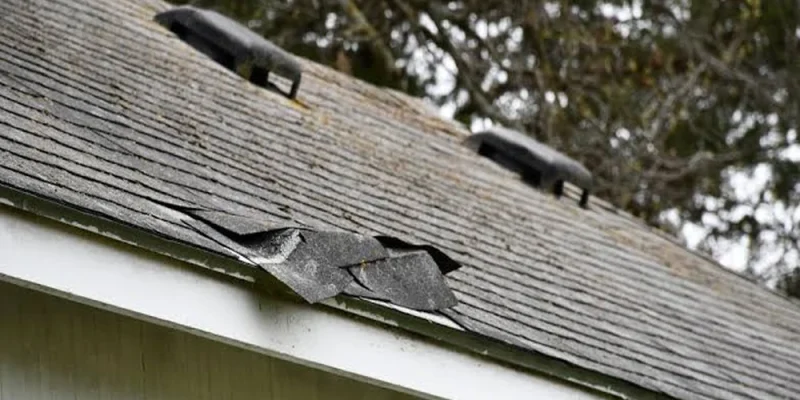
Three tab shingles on your driveway and a brown ring spreading across the ceiling in the spare room. That is the moment most Colorado homeowners start Googling at 11 p.m., and most of them are asking the wrong question first. The real question isn’t “repair or replace.” It’s “what did the last storm actually do to this roof, and how much of it is still sound?”
Get that answer right and the money decision gets a lot easier. Get it wrong in either direction and you either throw a patch on a roof that’s already done, or you spend five figures replacing shingles that had several good years left. This guide walks you through the checks that actually separate the two, using the kind of scrutiny a contractor applies on an inspection, so you can walk into that conversation informed.
If you’d rather hand the whole thing to a local crew, Sprague Roofing Company in Colorado runs free inspections across the northeastern and western parts of the state and can give you a straight answer on repair versus replacement before you commit to either. But even then, you’ll get more out of the inspection if you know what you’re looking at. Start here.
What Colorado Does to a Roof That Other States Don’t
Front Range hail is the headline act. Hail bruises asphalt shingles in a way you can’t see from the ground, knocking the mineral granules loose so the fiberglass mat underneath starts baking in the sun. A roof that looks fine in July can be shedding granules into the gutter by the following spring, and the damage was there the whole time.
Then there’s the altitude factor nobody warns transplants about. Stronger UV at elevation ages shingles faster than the manufacturer’s rating suggests, which is why a 25-year shingle on a west-facing slope in Grand Junction may not hit 25 years. Add freeze-thaw cycling that works nails loose and a spring wind event that peels ridge caps, and a Colorado roof takes a beating that a Florida or Ohio roof never sees.
According to the Home Innovation Research Labs, asphalt shingles remain the dominant roofing material on American homes by a wide margin. That’s worth knowing because it means parts and matching shingles are easy to source, which keeps repair costs reasonable when a repair is the right call.
Here’s my stance: in Colorado, I’d treat any roof over 15 years old with hail damage as a replacement candidate first and a repair candidate second. The math usually lands there anyway once you price a large repair against a replacement’s lifespan.
The Three Tests That Settle It
Forget the “20 years old means replace it” rule. Age is one input, not the verdict. Run these three instead.
Test 1: How much of the roof is actually damaged?
Small and contained is a repair. A handful of blown-off shingles on one slope after a wind event, a cracked pipe boot, a single failed valley flashing: all fixable for a fraction of replacement cost. Widespread granule loss across multiple slopes, or hail hits scattered over more than a third of the surface, is a different story. Patching scattered damage is throwing good money after bad.
Test 2: Is water already inside?
A ceiling stain, a soft spot in the sheathing, or daylight showing through the attic deck means the deck is wet. Once rot reaches the sheathing or the framing, you’re not patching shingles anymore, you’re opening the roof. That changes the budget dramatically. My rule: water inside the house means you stop debating repair versus replacement and start pricing replacement.
Federal housing data from HUD consistently shows roofing among the most common major home improvement projects homeowners undertake, which tracks with how often deferred repairs eventually force a full replacement.
Test 3: How many layers are up there?
Two layers of shingles already? Most jurisdictions won’t let you add a third, so a repair today may force a full tear-off tomorrow. If you’re already at two layers and considering a repair, price the eventual tear-off into your thinking now rather than getting surprised later.
Where the Money Actually Goes
Repairs are usually a small fraction of replacement cost, which is why the repair call feels safe. The catch is that a repair on a roof near the end of its life buys you months, not years, and you’ll pay for the replacement anyway. Replacement costs more up front but resets the clock for two to three decades.
Insurance changes the equation too. Storm damage from hail or wind is often covered, and a covered replacement is the best outcome in this whole conversation. Check your policy before you decide anything. A repair you pay for out of pocket when insurance would have covered a replacement is the most expensive mistake in this guide.
For broader context on the trades that handle this work, the Bureau of Labor Statistics tracks roofing as a distinct occupation with its own demand trends, which is worth a glance if you’re weighing timing against contractor availability after a big storm.
Your Inspection Checklist Before You Call Anyone
Do this yourself in fifteen minutes. It won’t replace a pro inspection, but it’ll tell you which conversation you’re having.
- Walk the perimeter and note shingle tabs, granules, and nails in the gutters and downspouts.
- Look at the roof from a neighbor’s yard or across the street, not steeply from below, so you can see the whole plane.
- Check the attic with a flashlight for stains, damp sheathing, or daylight at the deck.
- Walk the ceiling and upper walls inside for water rings, especially under valleys and around chimneys.
- Photograph anything you find, including a wide shot and a close-up, and date the files.
Then get a written inspection that separates “needs repair now,” “monitor,” and “replacement candidate.” If a contractor only gives you a replacement quote with no repair option, get a second opinion. If they only offer a patch with no explanation of the roof’s remaining life, get a second opinion then too.
A Few Questions Worth Asking Any Roofer
Ask how long the crew has worked in your specific part of Colorado. Local experience matters because hail patterns and building codes vary by county, and a crew that knows your area knows what the last storm did. Ask for the inspection in writing with photos. Ask whether the quote includes decking replacement, flashing, and disposal, because those line items are where surprise costs hide.
And ask what they’d do with their own house. A straight answer there tells you more than any brochure.
Where This Lands
Most Colorado homeowners facing visible storm damage end up in one of two places: a repair if the damage is contained and the roof has years left, or a replacement if water is inside, the deck is compromised, or the damage is widespread. The three tests above sort you into the right bucket, and the insurance question decides who pays.
What you shouldn’t do is wait through another hail season hoping the ceiling ring stops spreading. It won’t. So here’s the question to answer this week: which of the three tests did your roof fail, and what’s the cost of ignoring it for one more year? That number is usually the most useful thing you’ll learn all month.









Comments