
 By
By 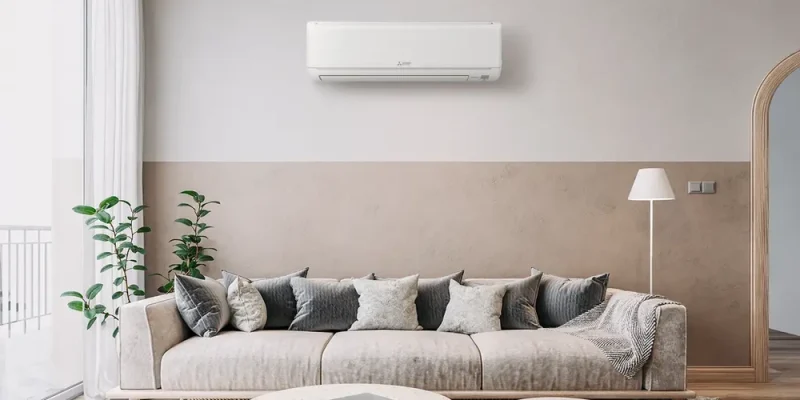
Keeping a home comfortable can become expensive when heating or cooling is needed for long periods. Traditional systems often condition the entire property, even when only a few rooms are being used. Mini split systems offer a more focused approach by allowing homeowners to manage temperatures in specific areas while maintaining steady indoor comfort.For households looking for efficient mini split systems for comfort, the main benefit is greater control over where heating and cooling are delivered. Instead of wasting energy on unused rooms, occupants can adjust individual zones according to their needs. This approach can make day-to-day temperature management more practical while helping reduce unnecessary energy use.
How Mini Split Systems Work
A mini split system usually consists of an outdoor unit connected to one or more indoor units. Unlike many central heating and cooling systems, it does not rely on extensive ductwork to move conditioned air through the property.Each indoor unit serves a particular room or zone. Homeowners can set different temperatures for different areas, depending on how those spaces are used. A bedroom, home office and living room, for example, do not always need to be kept at the same temperature throughout the day.This room-by-room control is one reason efficient mini split systems for comfort can work well in homes with varying heating and cooling needs. By directing conditioned air only where it is required, the system can avoid some of the energy waste associated with maintaining identical temperatures across an entire house.
Why Mini Splits Can Improve Energy Efficiency
One of the biggest advantages of ductless mini splits is their ability to provide targeted heating and cooling. Central systems commonly serve multiple rooms at once, whether those rooms are occupied or not.Mini splits allow homeowners to reduce heating or cooling in less frequently used spaces. This can be particularly useful in guest rooms, extensions, converted lofts and home offices.Many modern mini split systems use variable-speed technology. Rather than constantly switching fully on and off, the system can adjust its output as indoor conditions change. This helps maintain a more stable temperature while avoiding unnecessary bursts of energy use.
Less Energy Lost Through Ductwork
Traditional ducted systems can lose some heating or cooling as air travels through ducts, particularly if those ducts pass through unconditioned spaces or have leaks.Because mini splits deliver conditioned air directly into the room, they avoid many of these duct-related losses. This can make them a practical choice for properties that do not already have a suitable duct network.
Comfort Does Not Have to Be Sacrificed
Improving efficiency should not mean living with uncomfortable rooms. Mini split systems are designed to provide precise temperature control, which can help occupants maintain the level of comfort they prefer.Different household members may prefer different temperatures. Zoned controls make it easier to accommodate these preferences without changing the temperature throughout the whole property.Other comfort benefits may include:More consistent room temperaturesIndividual temperature settings for separate zonesHeating and cooling from the same systemLess reliance on portable heaters or fansBetter control in rooms that are difficult to heat or cool
Where Mini Split Systems Work Best
Mini splits can be suitable for many types of properties, but they are especially useful where installing traditional ductwork would be difficult or disruptive.They are often considered for home extensions, converted garages, loft spaces and older properties without central ducting. They can also help with rooms that remain noticeably warmer or cooler than the rest of the house.A multi-zone system may serve several rooms using separate indoor units connected to an outdoor unit. This gives homeowners flexibility without requiring every room to operate at the same temperature.
Choosing the Right System
Efficiency depends heavily on selecting the right equipment and installing it correctly. A system that is too large or too small for the space may struggle to operate effectively.Before choosing a mini split, consider:The size and layout of the roomsInsulation levelsThe number of zones requiredHeating and cooling demandsIndoor unit positioningManufacturer efficiency ratingsProfessional assessment is useful because system sizing should take more than floor area into account. Windows, insulation, ceiling height and local climate conditions can all affect heating and cooling requirements.
Maintenance Matters
Even an efficient system needs routine care. Dirty filters, blocked airflow or neglected outdoor units can reduce performance and place unnecessary strain on the equipment.Homeowners should clean or replace filters according to the manufacturer’s guidance and keep indoor and outdoor units free from obstructions. Periodic professional servicing can help identify developing problems before they affect reliability or comfort.
Conclusion
Mini split systems offer a practical way to balance energy efficiency with everyday comfort. Their zoned operation allows homeowners to heat or cool the rooms they actually use instead of treating the entire property as one space.When correctly sized, installed and maintained, a mini split system can provide steady temperatures, flexible control and efficient operation. For homes without existing ductwork, properties with difficult-to-condition rooms or households wanting greater control over indoor temperatures, a mini split can be a sensible long-term comfort solution.









Comments