
 By
By 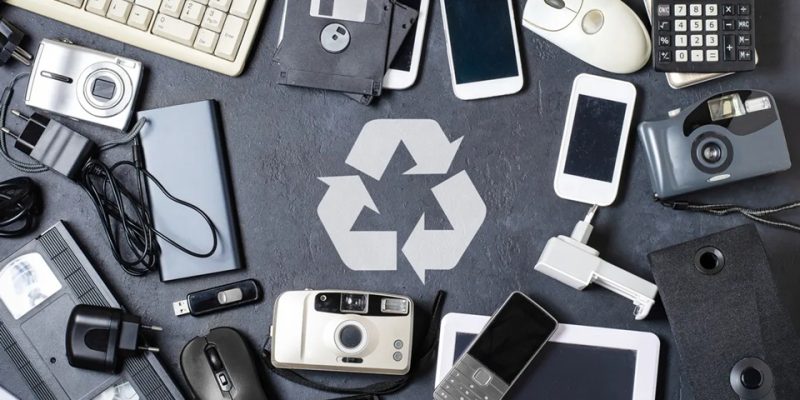
The profound necessity of e waste computer recycling becomes apparent when we consider that computers, like organisms in an ecosystem, have finite lifespans, yet the materials from which they are constructed persist far beyond their functional utility. In studying natural systems, I have long been fascinated by the elegant cycles through which matter flows, from decomposers breaking down fallen trees to nutrients returning to soil. Human technology, by contrast, has largely existed outside such cycles, with our discarded computers accumulating like geological strata. The challenge before us is to bring these devices into a circular system that mimics nature’s efficiency, where nothing is truly wasted but rather transformed into raw materials for future creation.
The Anatomy of Computer Waste
A desktop computer or laptop represents, in essence, a concentrated repository of the Earth’s elemental wealth. Within its casing lies copper drawn from distant mines, silicon refined from sand, gold and silver recovered from ore, rare earth elements extracted at considerable environmental cost, aluminium smelted from bauxite, and plastics derived from petroleum. This mineral assemblage required millions of years to form in geological processes, yet we employ these materials for perhaps five years before relegating the device to obsolescence.
The ecological cost bears examination. Mining operations scar landscapes, leaving behind tailings ponds and degraded habitats. Manufacturing a single laptop requires approximately 240 kilograms of fossil fuels and 1,500 litres of water. E waste computer recycling offers a means of harvesting these materials above ground rather than below, reducing the pressure on pristine ecosystems.
Understanding Collection Pathways
The infrastructure for e waste computer recycling has evolved considerably, though unevenly, across different regions. In Singapore, where limited land area has fostered innovation in waste management, several collection pathways serve different needs:
• Designated e-waste collection bins positioned in residential areas accept smaller components like keyboards, mice, and cables • Retail take-back programmes facilitate disposal when consumers purchase replacement computers • Licensed recycling centres accept desktop computers, laptops, and associated peripherals • Quarterly collection events organized by local authorities focus on bulky electronic items • Commercial recycling services handle institutional volumes from businesses and schools
These multiple pathways reflect an ecological principle: diversity in collection strategies, like biodiversity itself, creates resilience and increases overall system efficiency. “We must meet people where they are,” one recycling coordinator noted, “both geographically and behaviourally.”
Preparing Computers for Recycling
Before releasing a computer into the recycling stream, several preparatory measures prove essential. These steps protect both personal security and the integrity of the recycling process:
- Back up important files to external storage or cloud services before beginning disposal procedures
- Perform complete factory resets to remove operating systems and personal data
- Use data destruction software that overwrites storage drives multiple times
- Remove hard drives entirely for physical destruction if the computer contained sensitive information
- Extract batteries from laptops, as they require separate recycling pathways
- Keep power cables and accessories together with the device to facilitate sorting
- Clean obvious dirt and debris to protect workers handling the equipment
The anxiety surrounding data security prevents many functional computers from entering recycling channels. They accumulate in storage rooms like seeds awaiting germination conditions that never arrive. Professional data destruction services address this concern, offering certified erasure or physical hard drive shredding.
The Disassembly Process
Once collected, computers undergo systematic dismantling that resembles the work of decomposer organisms breaking down complex organic matter into constituent elements. Trained technicians first remove hazardous components: batteries that might ignite, capacitors holding electrical charges, and mercury-containing backlights. Circuit boards are extracted for precious metal recovery. Copper wiring is separated from plastic insulation. Steel cases are removed for metal recycling.
Advanced separation techniques then recover valuable materials. Shredding reduces components to fragments. Magnetic separation extracts ferrous metals. Eddy current systems recover aluminium and copper. Hydrometallurgical processes dissolve precious metals from circuit boards, concentrating them for refinement.
Alternatives to Disposal
The most ecologically sound approach to e waste computer recycling involves questioning whether disposal is necessary at all. A computer that seems obsolete for one purpose may serve admirably for another. Older machines run perfectly adequate word processing, web browsing, or email functions. Schools and community organizations often welcome donated equipment.
In nature, organisms that efficiently utilize available resources thrive in competitive environments. Similarly, maximizing computer utility before recycling conserves the embodied energy and materials invested in manufacturing.
Singapore’s Systematic Approach
Singapore’s framework for e waste computer recycling offers instructive lessons in creating functional collection systems. The Extended Producer Responsibility scheme places obligations on manufacturers to facilitate end-of-life management. This policy recognizes that those profiting from sales bear responsibility for disposal consequences.
The infrastructure continues evolving, with collection points expanding and public awareness campaigns educating residents about proper disposal. Yet challenges persist. Only a fraction of discarded computers currently enter formal recycling channels, with the remainder languishing unused or entering general waste streams.
The Path of Stewardship
The crisis of electronic waste, and computers specifically, reflects humanity’s broader challenge of living sustainably within finite planetary boundaries. We have mastered extraction and manufacturing but struggle with the completion of material cycles. Nature demonstrates that sustainable systems close their loops, with outputs from one process becoming inputs for another.
Our task is to apply this ecological wisdom to technological systems, ensuring that computers at the end of their functional lives contribute to the creation of new devices through comprehensive e waste computer recycling.





Comments