
 By
By 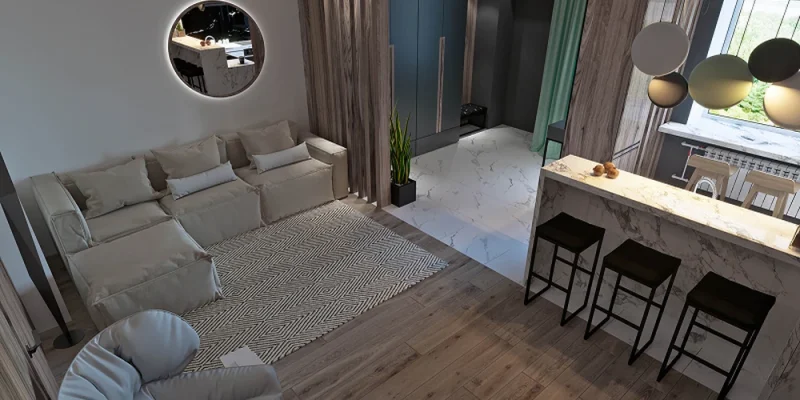
Key Takeaways
- Poor sofa placement can disrupt movement and reduce overall living room functionality.
- Oversized furniture often makes smaller homes feel cramped and difficult to navigate.
- Sofa positioning should balance comfort, conversation flow, and room accessibility.
- Choosing the right sofa in Singapore requires proper layout planning before purchase.
Introduction
Living room layouts affect how comfortable and practical a home feels daily. While homeowners often focus on colour schemes and interior styling, sofa placement plays a larger role in determining whether the space functions efficiently. Poor placement can block walking paths, reduce seating usability, and make the room appear smaller than it actually is.
This issue is common when purchasing a sofa in Singapore, especially in apartments where space limitations require careful furniture planning. Whether selecting a sectional piece or a leather sofa, understanding common layout mistakes helps homeowners avoid unnecessary space and usability problems.
1. Ignoring Walking Space Around the Sofa
One of the most common layout mistakes is placing the sofa too close to walkways or entrances. Living rooms often connect to dining spaces, hallways, or balconies, making movement flow an important consideration. Once sofas obstruct these pathways, the room becomes uncomfortable to navigate.
This problem usually occurs when homeowners attempt to maximise seating capacity without considering clearance space. Large sofas combined with coffee tables can create narrow walkways that affect everyday movement. Guests may need to move around furniture awkwardly, while household members frequently bump into sofa corners or table edges.
That said, before buying a sofa, homeowners should measure available floor space carefully. Proper clearance around furniture helps maintain comfort and improves movement throughout the room. A layout that supports easy navigation usually feels more spacious and organised.
2. Arranging Everything Around the Television
Another common mistake is positioning the entire living room solely around television viewing. While entertainment is important, sofas should also support conversation and overall room balance. A layout focused only on the television often creates a rigid seating arrangement that reduces flexibility.
This issue becomes more noticeable in open-concept homes where living rooms connect directly to dining or kitchen areas. Large sofas positioned only for screen visibility can interrupt visual flow and make the room feel disconnected. Furniture, in some cases, blocks natural lighting or creates awkward empty spaces elsewhere in the room.
A leather sofa is often selected for its clean and structured appearance, particularly in modern interiors. However, even visually appealing furniture can create layout problems if placement decisions focus only on entertainment needs. Homeowners should consider conversation flow, room access, and natural lighting when arranging seating areas.
3. Choosing a Sofa That Is Too Large
Oversized sofas remain one of the biggest causes of poor living room layouts. Many buyers select furniture based on showroom appearance without considering actual room dimensions. A sofa that appears proportionate in a retail setting may dominate a smaller living room after installation.
Large sofas reduce flexibility in furniture placement and limit space for additional items such as side tables or accent chairs. Deep sectional sofas may also extend into walking paths, making the room feel crowded and less functional.
This problem is particularly relevant when choosing a sofa in the city-state, where many residential units have limited floor space. Homeowners should measure not only the sofa dimensions but also the surrounding clearance areas. Selecting appropriately sized furniture helps maintain visual balance while improving overall usability.
4. Pushing Every Sofa Against the Wall
Many homeowners assume that placing sofas directly against walls automatically creates more space. While this may work in smaller rooms, it can also make the layout feel disconnected and unbalanced. After all, in larger living rooms, wall-hugging furniture arrangements sometimes create excessive empty space in the centre.
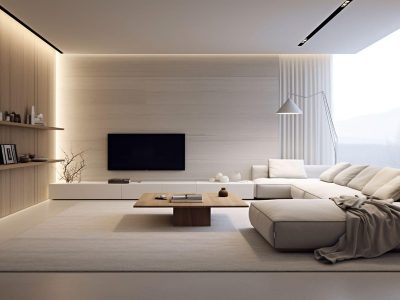
This setup may also reduce interaction between occupants because seating areas become too spread out. Slightly floating the sofa away from the wall can improve room balance and create a more cohesive layout.
A leather sofa in Singapore is often used as a focal point within the living room due to its structured design. Proper positioning allows the sofa to anchor the space effectively without overwhelming the layout.
Conclusion
Living room functionality depends heavily on proper sofa placement. Mistakes involving poor walkway clearance, oversized furniture, television-focused layouts, and incorrect wall positioning can negatively affect comfort and movement within the home.
That said, when selecting a sofa in Singapore, homeowners should evaluate room dimensions and overall layout before making a purchase. Whether choosing a standard model or a leather sofa, careful placement planning helps create a living area that feels practical, balanced, and comfortable for everyday use.
Visit Harvey Norman Singapore to upgrade your living room with the right furnishings.







Comments